Active Projects & Case Studies
A look at what we're currently building, from DSP platforms to historically-informed 3D instruments.
Projects
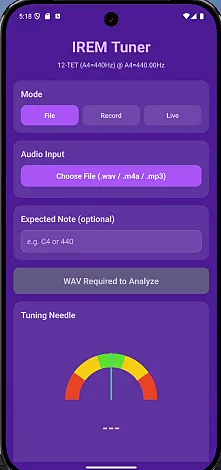
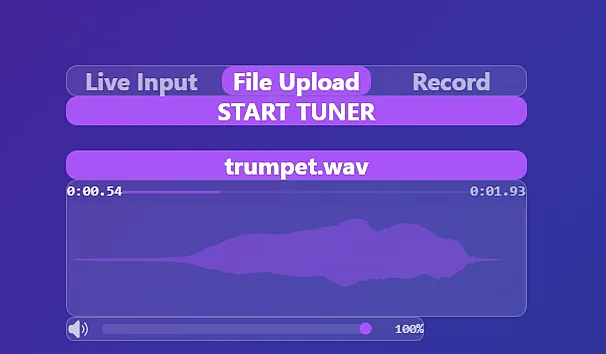
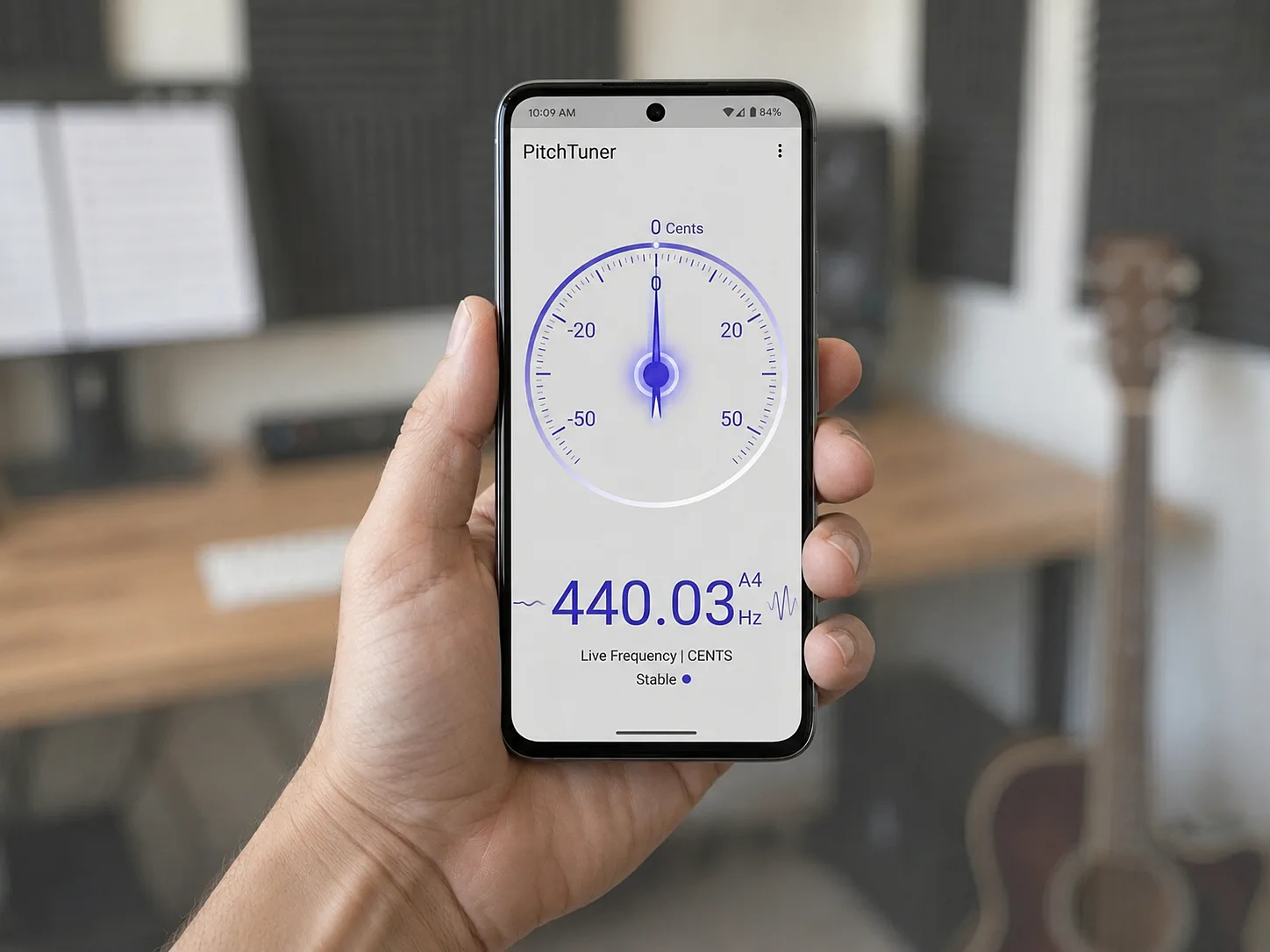
Advanced Tuner App
A modular, cross-platform pitch analysis tool built on WebAudio DSP. The application analyzes real-time frequency data on web and mobile using custom algorithms for accurate pitch detection across a wide range of instruments and tuning systems.
The Advanced Tuner App is a modular pitch detection platform built on the WebAudio API, designed to run natively in web browsers and on mobile devices without requiring a native install.
At its core, the system uses custom DSP algorithms to analyze incoming audio frequency data in real time and identify pitch with high accuracy across a broad range of instruments and tuning systems.
The modular architecture allows individual detection and analysis components to be developed, tested, and extended independently, making it adaptable for both general-purpose tuning and specialized musical research applications.
Melody Generation Platform
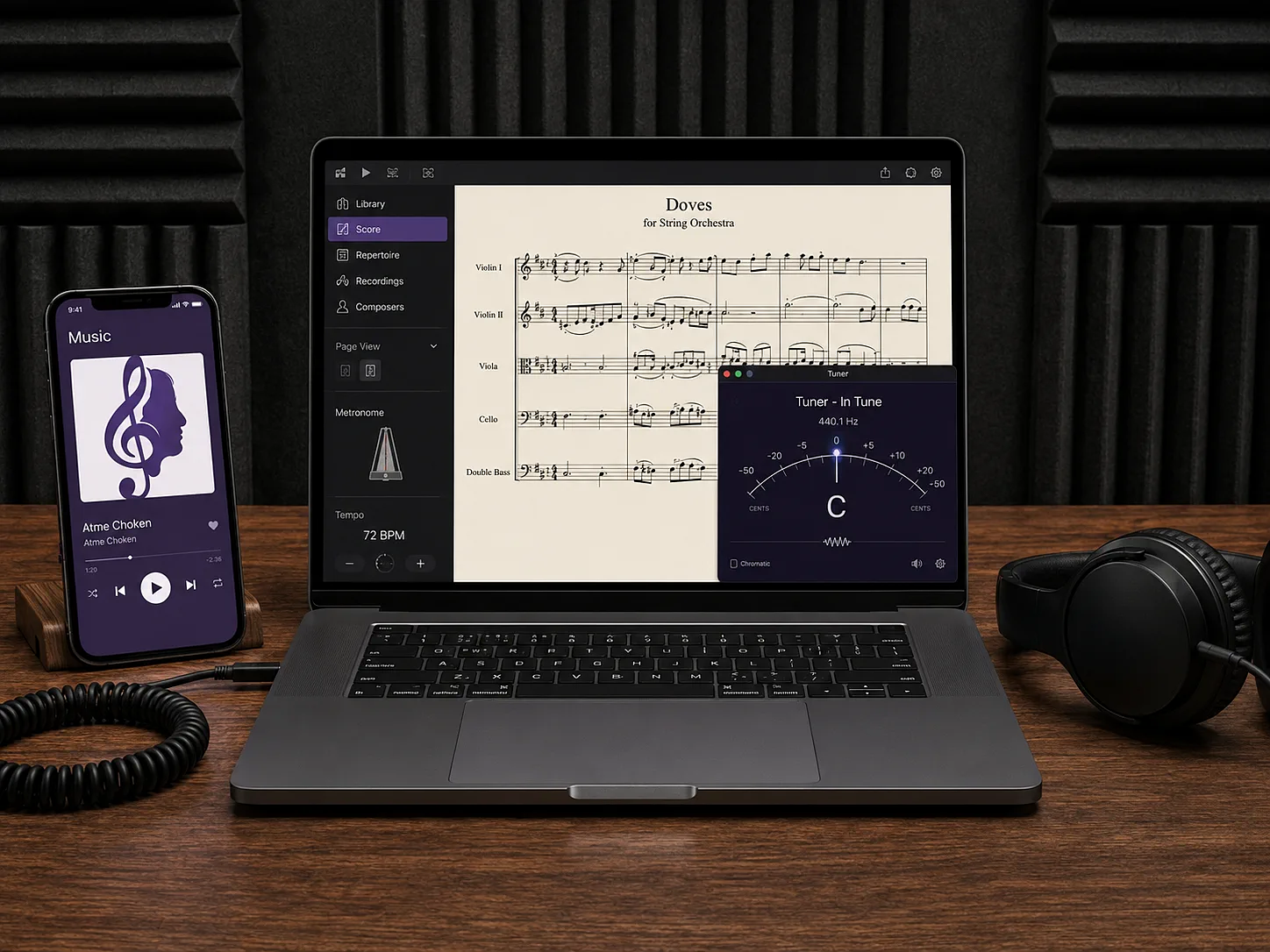
A client-backed web and mobile application that generates melodies using proprietary algorithmic composition. Details cannot be released due to a non-disclosure agreement.
This is a client-backed web and mobile application centered on algorithmic melody generation.
The platform was developed in partnership with a private client and is built on proprietary compositional algorithms.
Further details cannot be released due to a non-disclosure agreement.
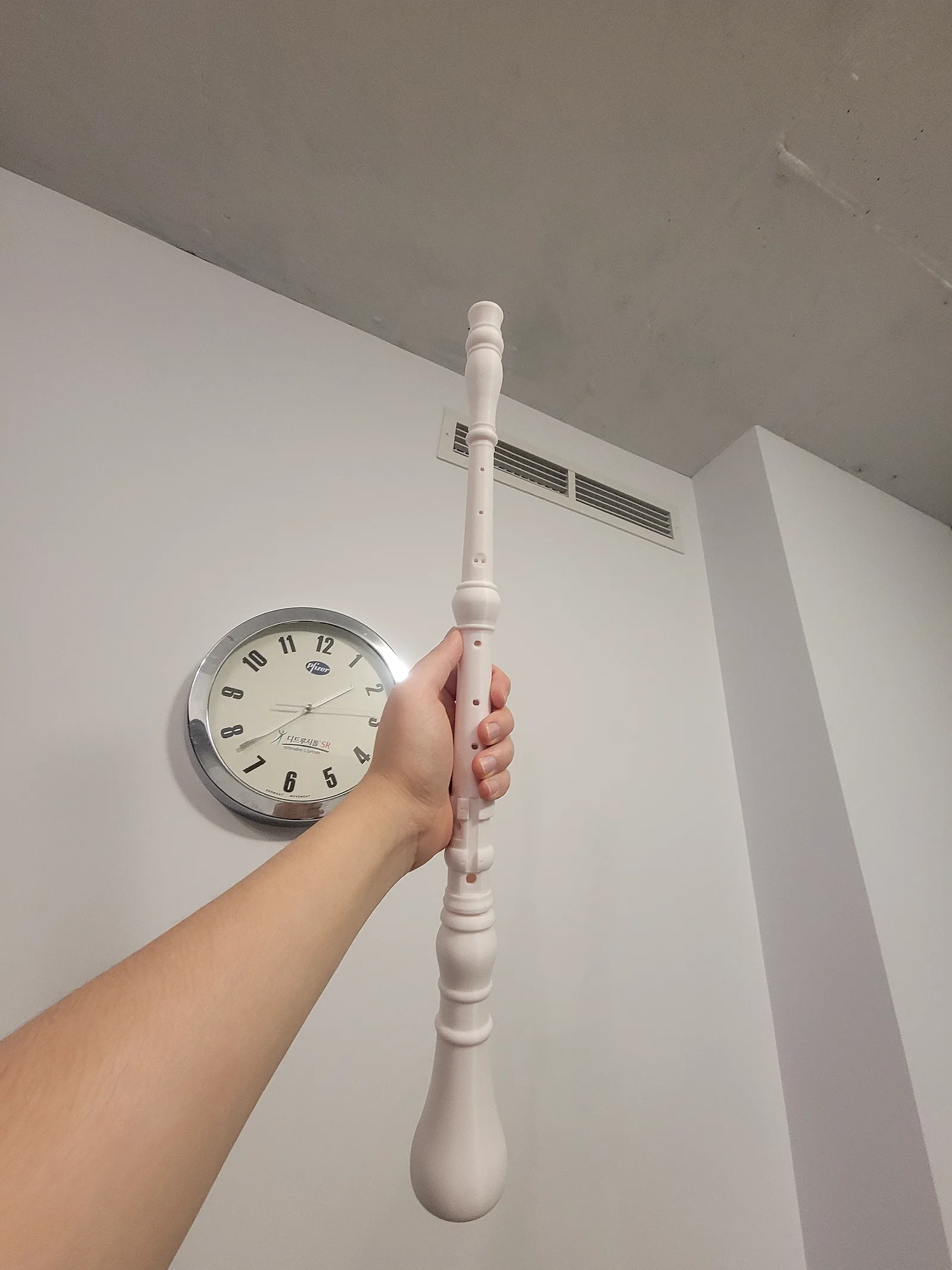
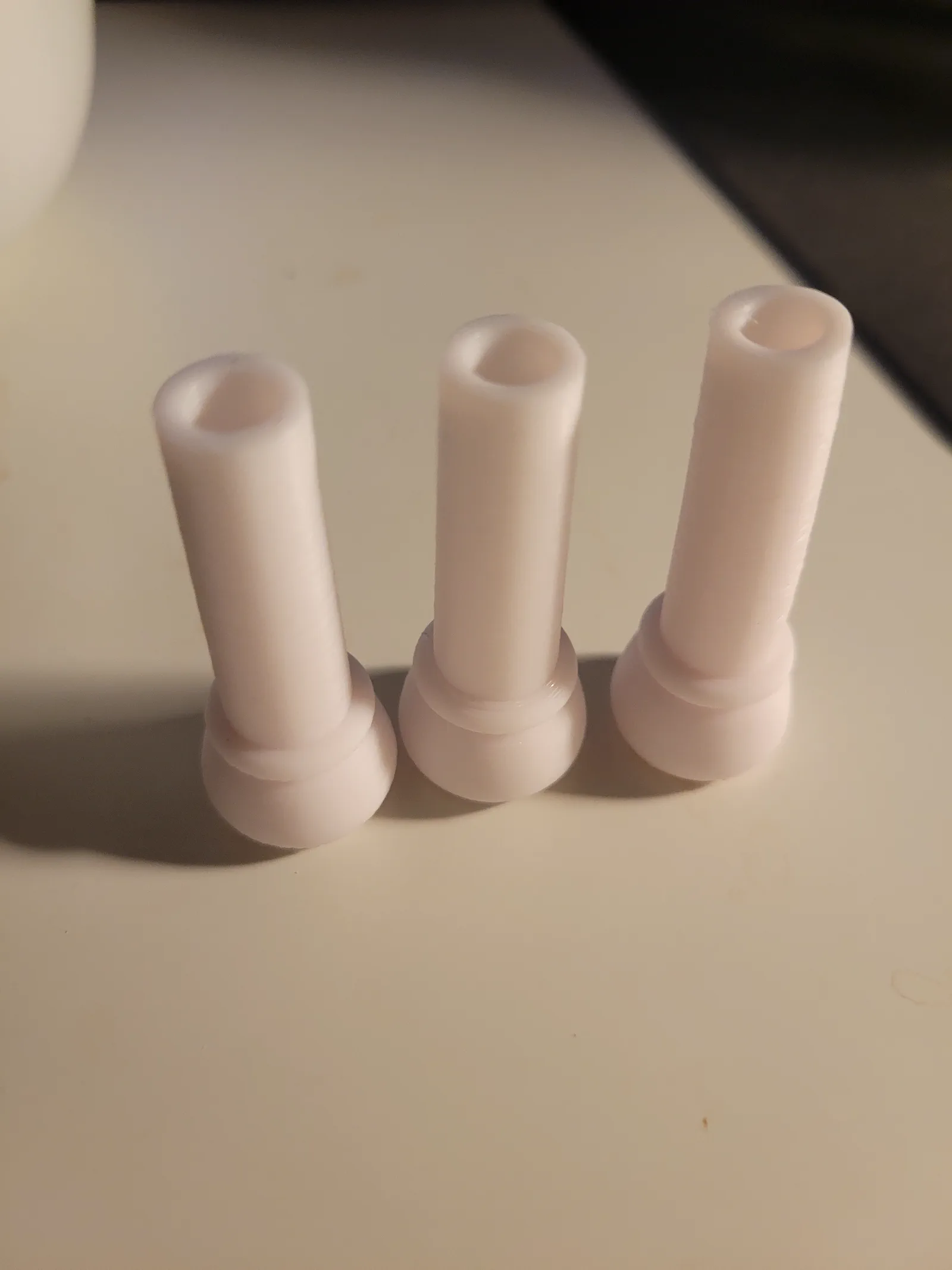
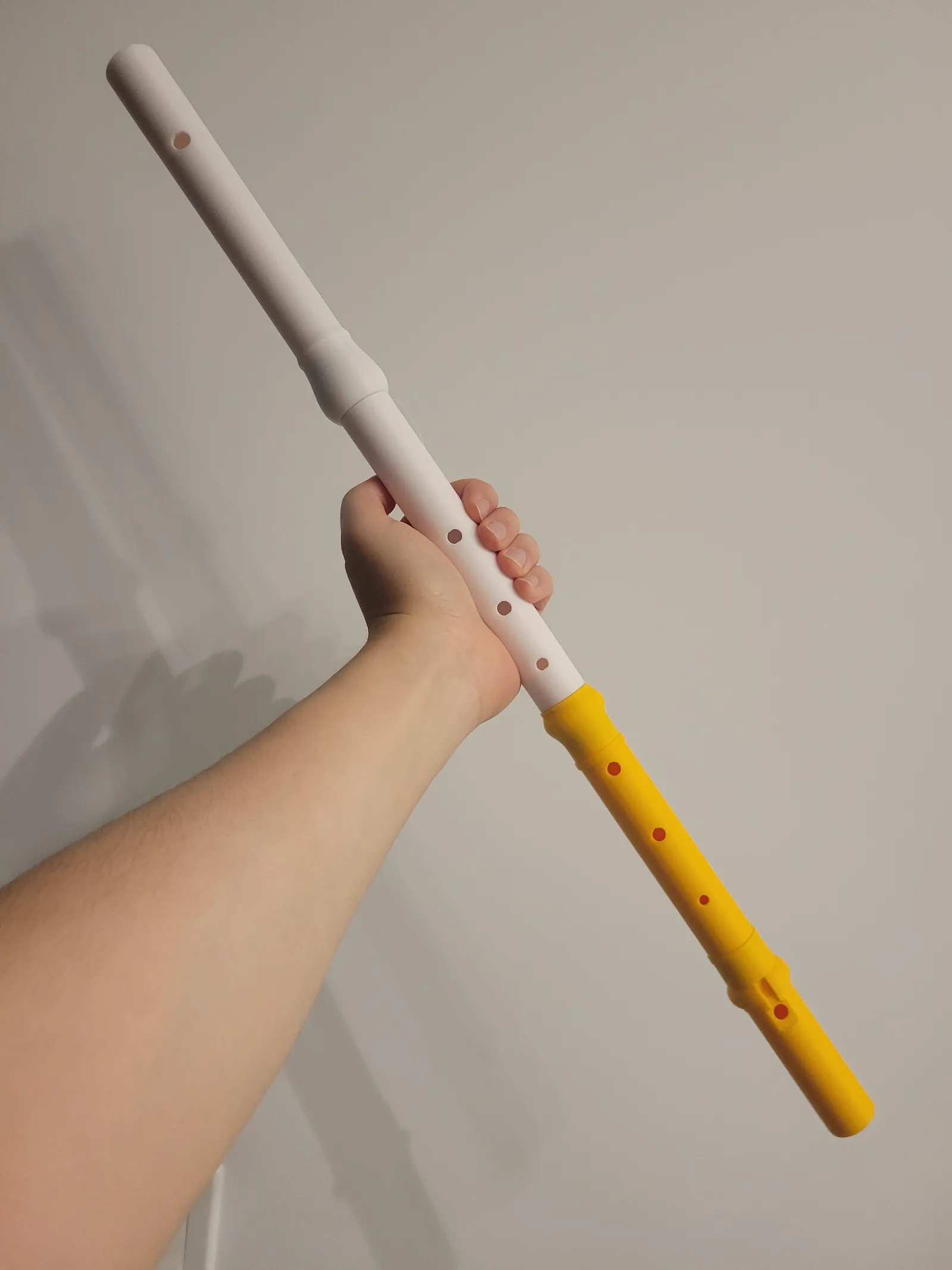
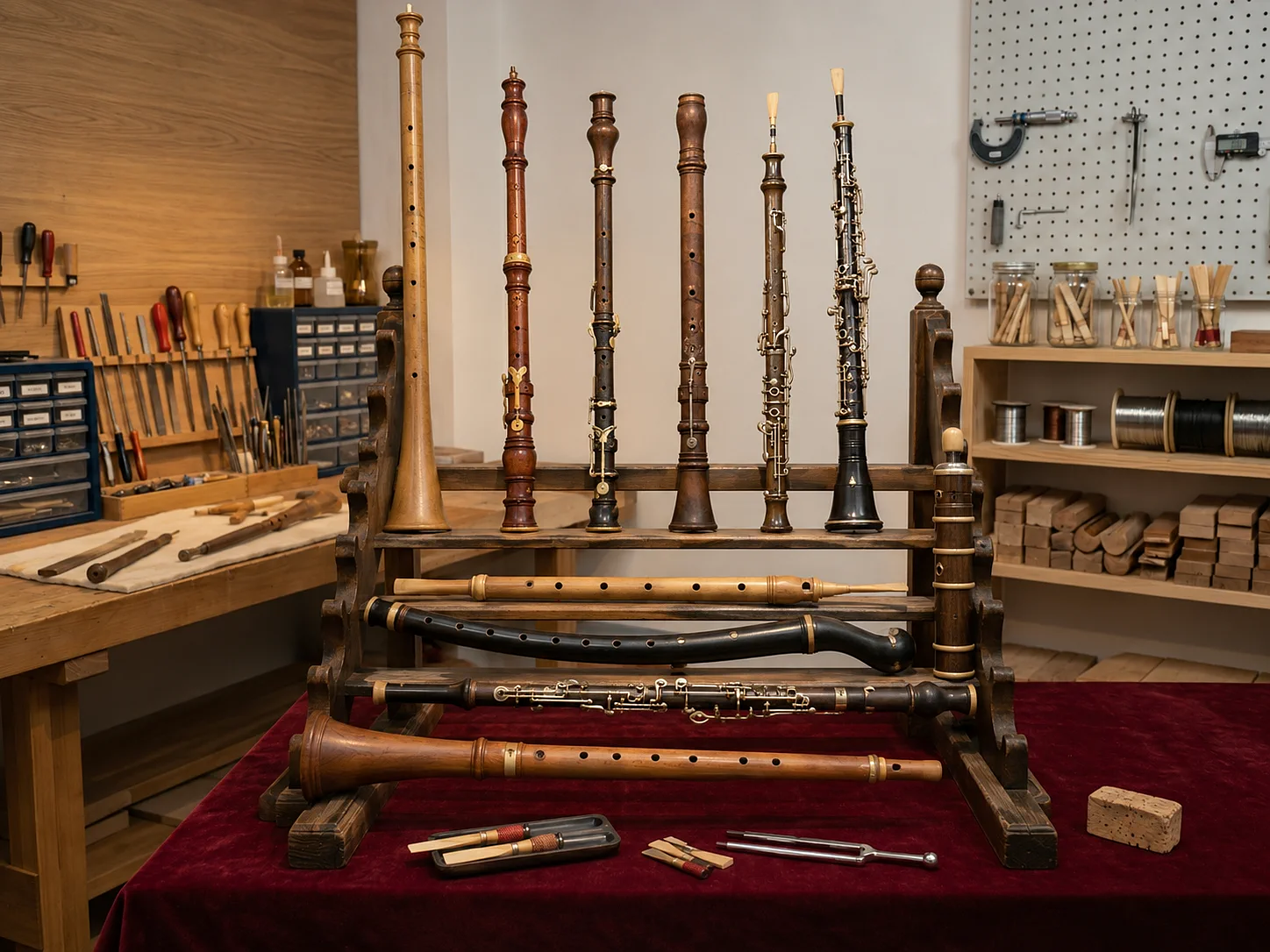
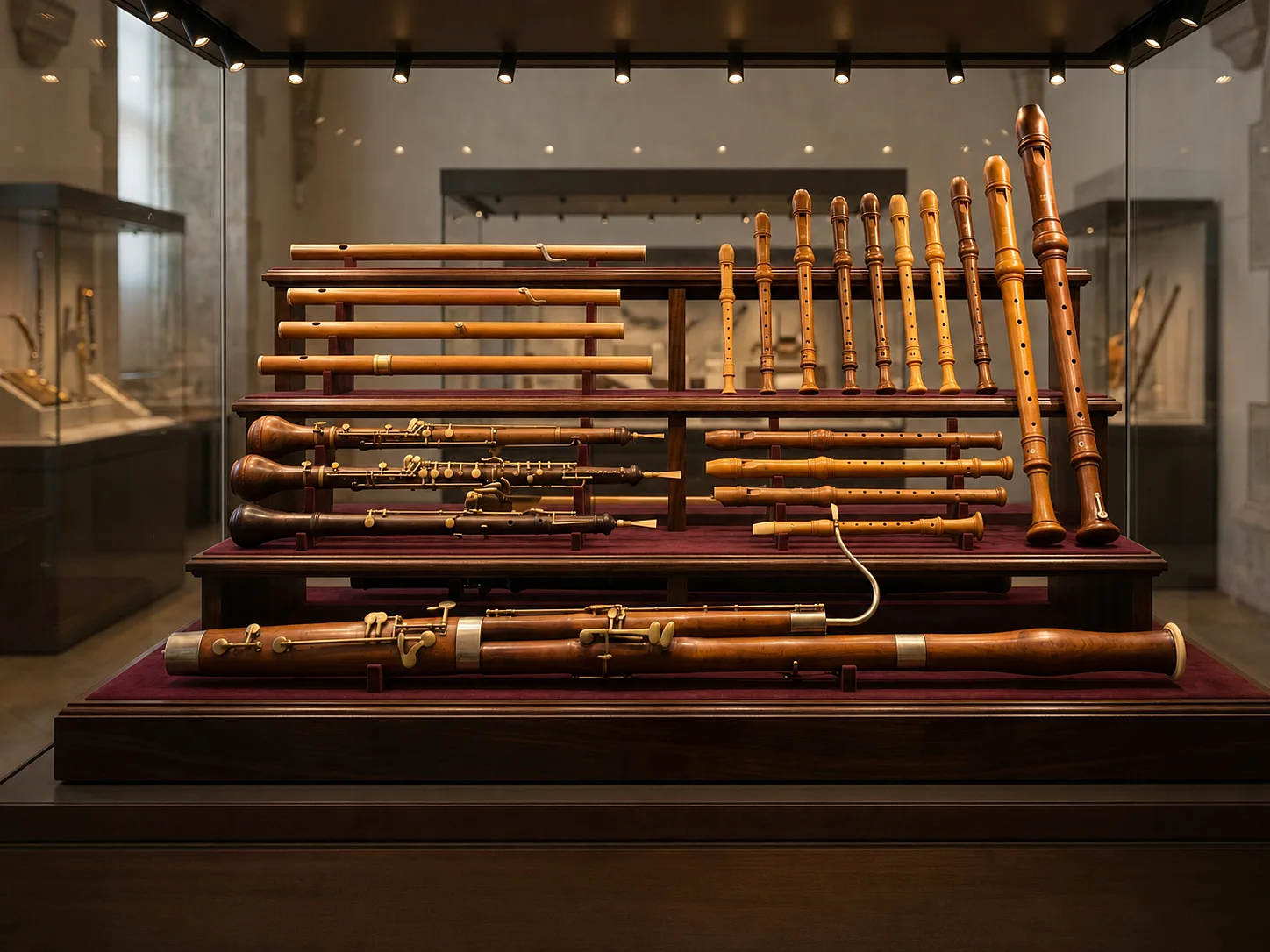
3D Woodwind Creations
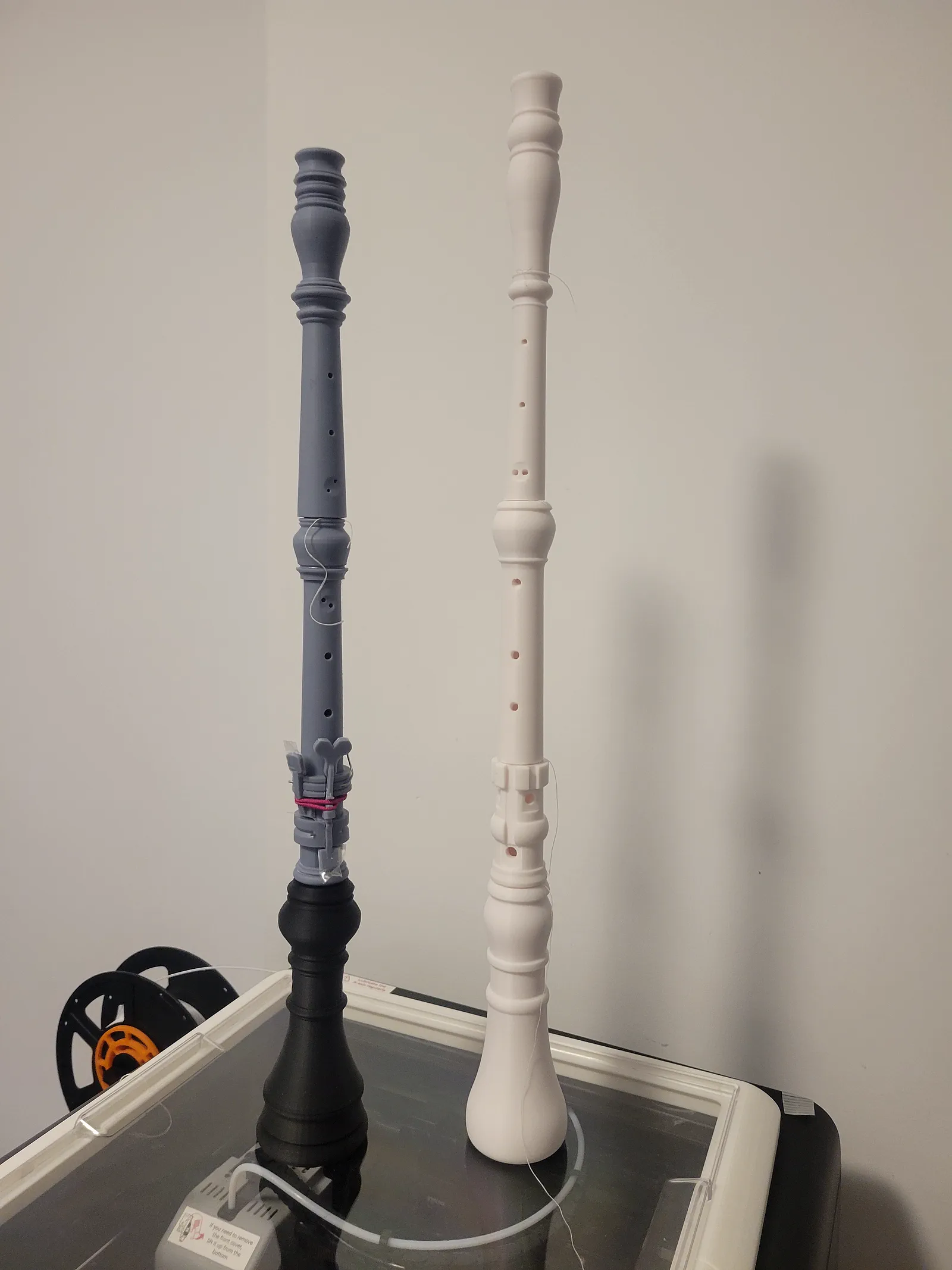
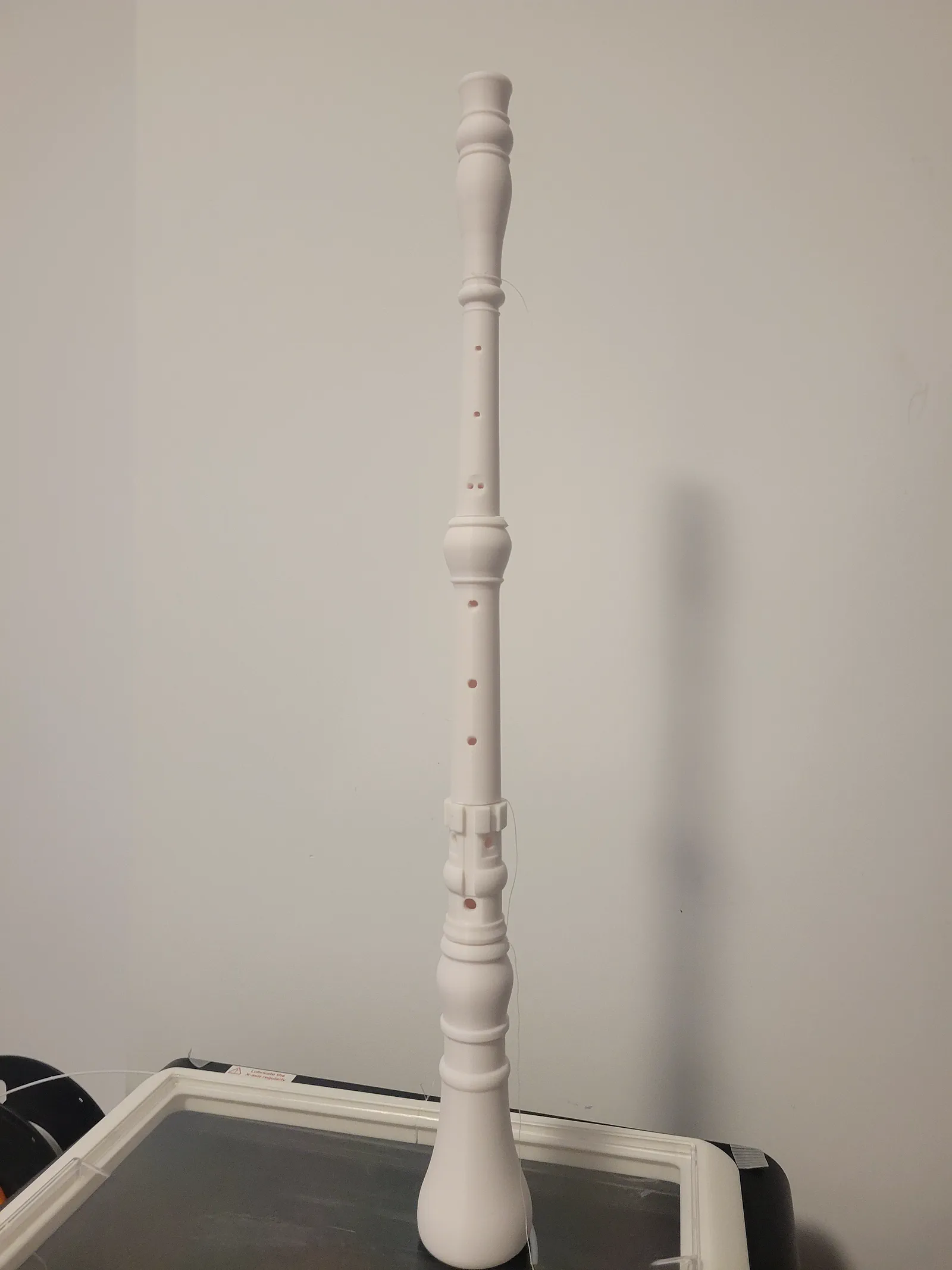
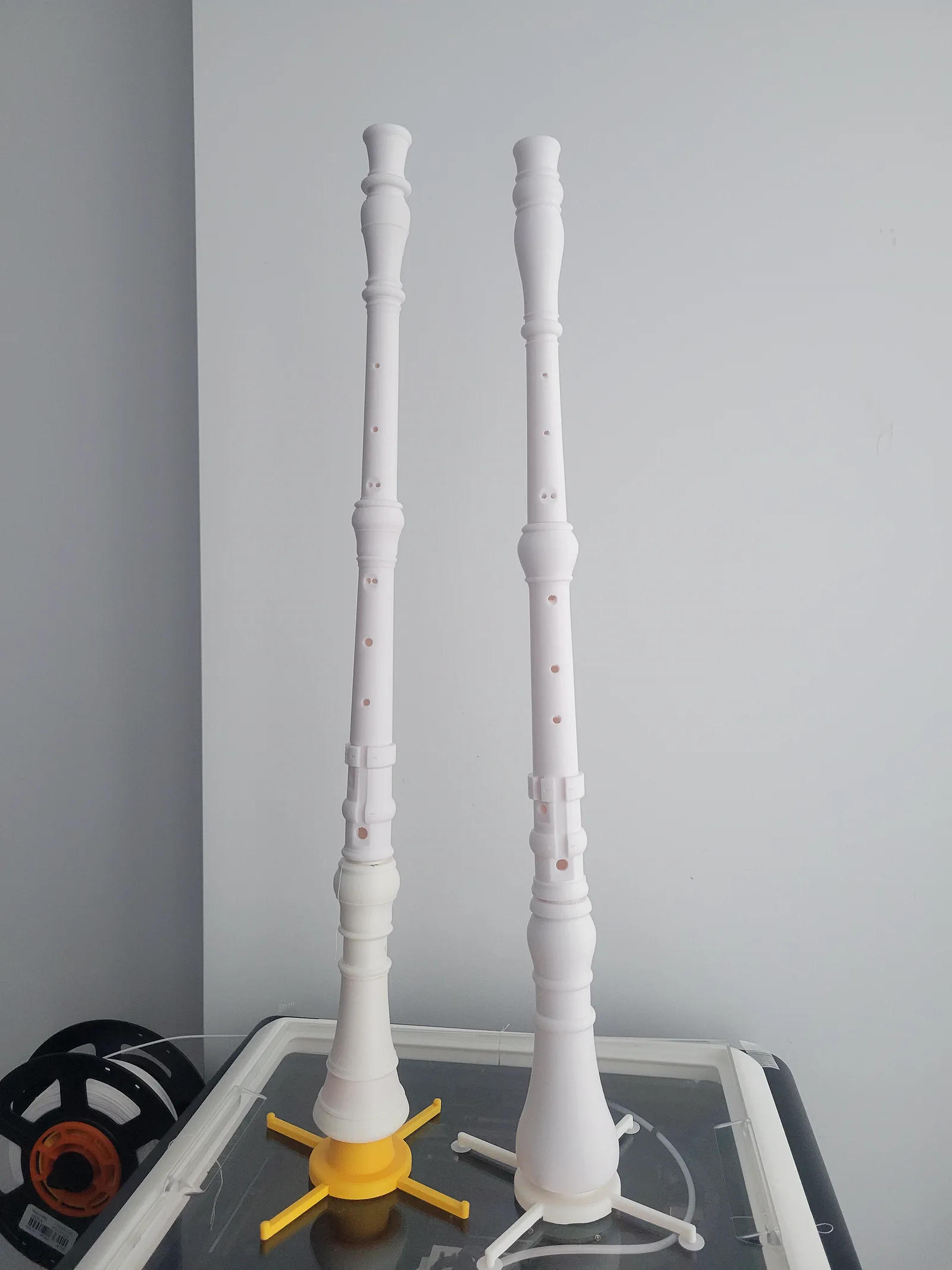
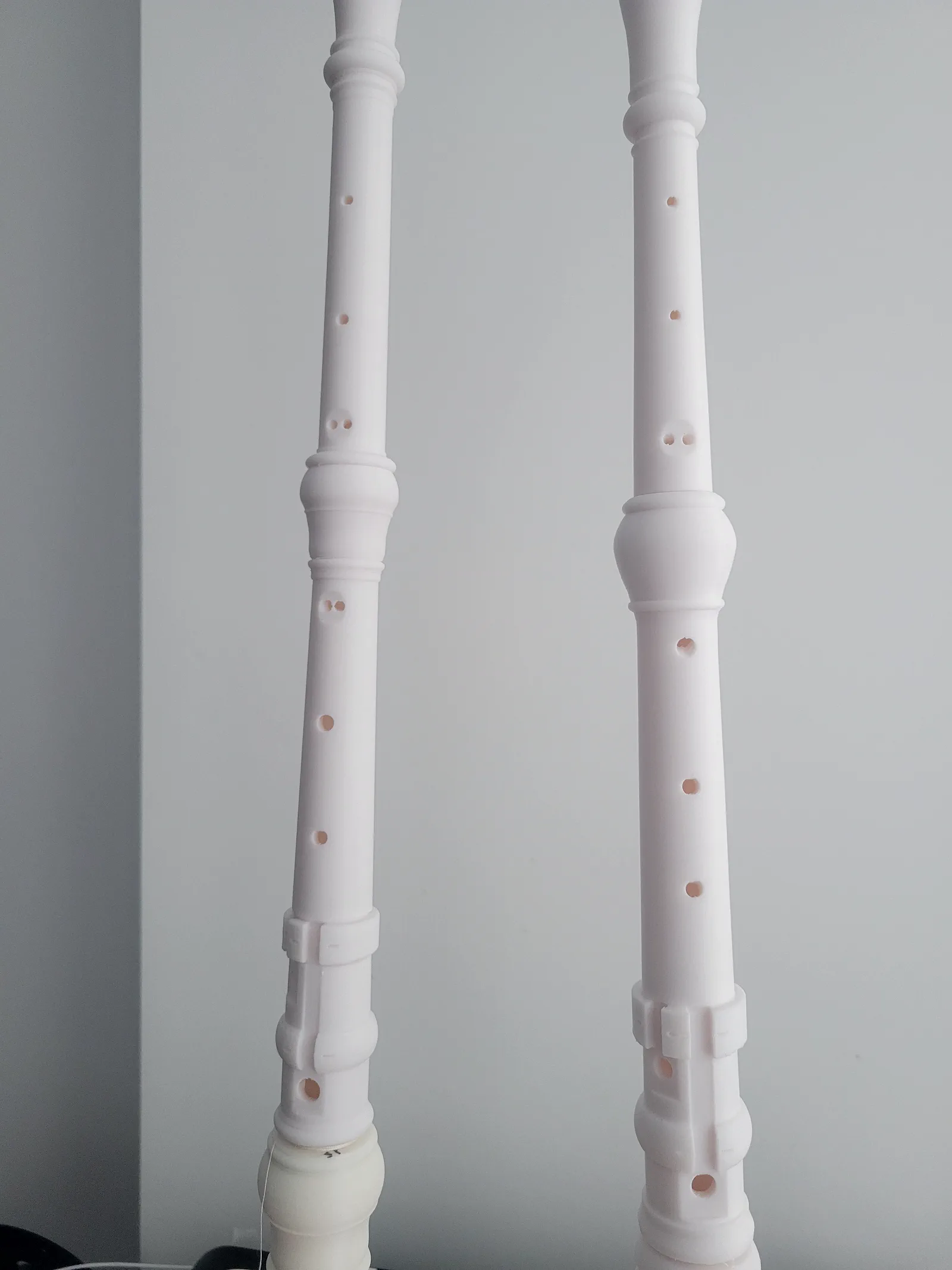
Drawing on historical musicology and acoustic science, we are reproducing the sonic character of historical woodwind instruments without requiring access to museum or private-collection originals. Each recreation undergoes rigorous acoustic verification and experimental testing.
Many historical woodwind instruments exist only in museum collections or private hands, physically inaccessible for study, performance, or reproduction.
This project applies historical musicology and acoustic science to recreate the sonic profiles of these instruments using 3D design and additive manufacturing, without requiring access to the originals.
Each reproduction is subjected to rigorous acoustic verification and experimental testing to validate its fidelity to historical references.
The goal is to make the sound of the past accessible, to researchers, educators, and performers alike.
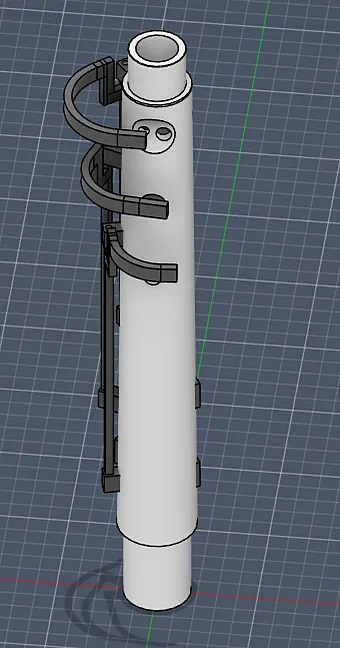
Accessibility Winds Project
In collaboration with the Music Education faculty at a Canadian university partner, IREM is developing a 3D-printed soprano recorder tailored to the physical accessibility needs of a student. This project bridges adaptive design, additive manufacturing, and music education.
This project was initiated to address a specific accessibility need: a student requiring a wind instrument adapted to their physical capabilities.
In collaboration with the Music Education faculty at a Canadian university partner, IREM is designing and fabricating a 3D-printed soprano recorder tailored to that student's needs.
The project draws on additive manufacturing's ability to rapidly iterate custom geometries, adjusting key placement, instrument weight, and ergonomics in ways that traditional manufacturing cannot.
It sits at the intersection of inclusive design, music education, and applied fabrication research.
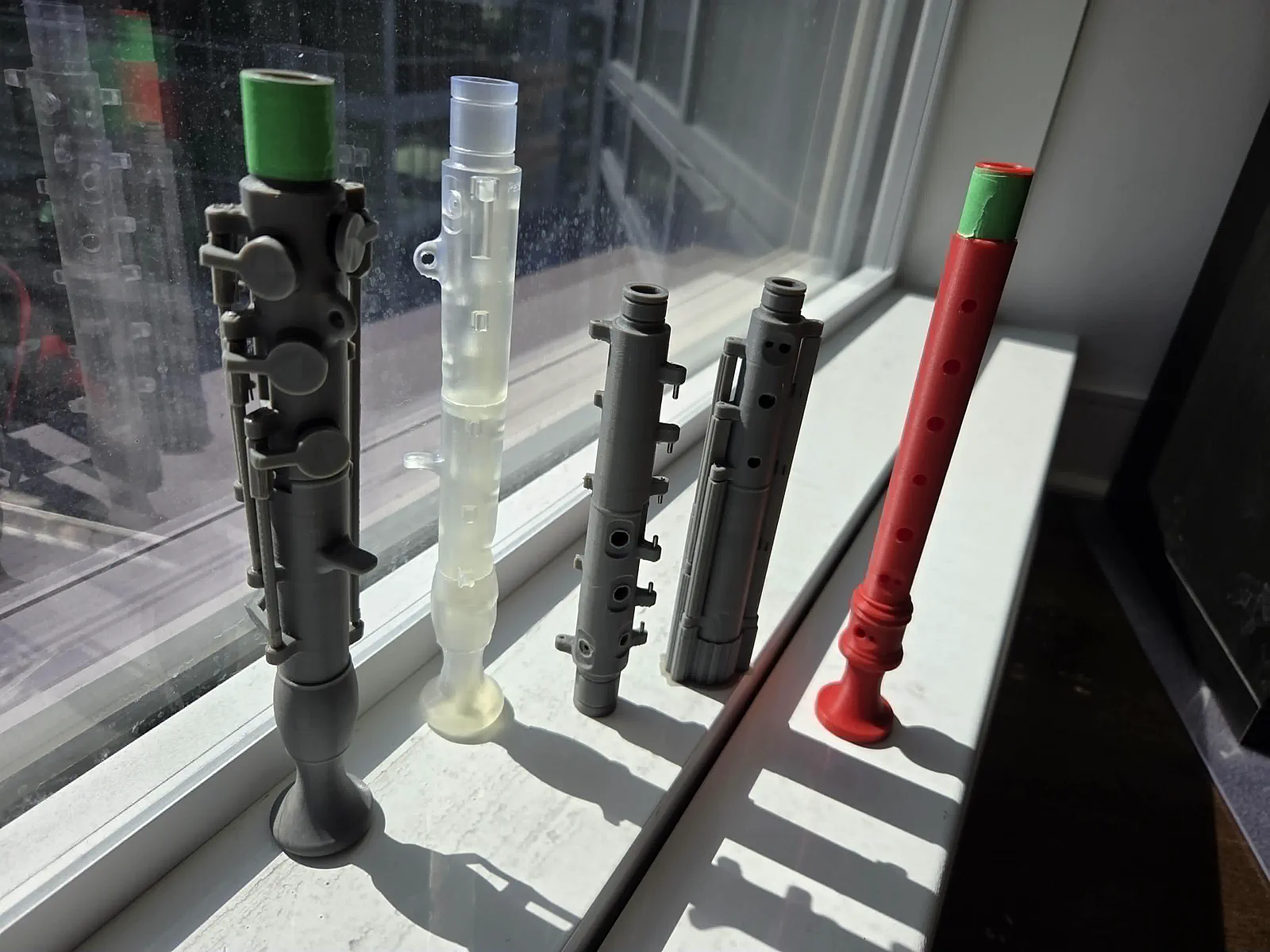
3D Printing Materials in Acoustic Research
A study being prepared to validate the acoustic quality and production viability of additive manufacturing in wind instrument creation. The research aims to establish baseline data for FDM and SLS materials as substitutes in acoustic fabrication.
This study is being prepared to address a foundational question in acoustic fabrication: can additive manufacturing produce wind instruments with acoustic properties comparable to those made from traditional materials?
The research will systematically evaluate FDM and SLS-printed specimens against established acoustic benchmarks, examining factors such as wall resonance, internal surface finish, air-tightness, and tonal response.
The findings are intended to contribute baseline data to the broader field of acoustics and to inform IREM's own fabrication practices going forward.
3D Printed Flower
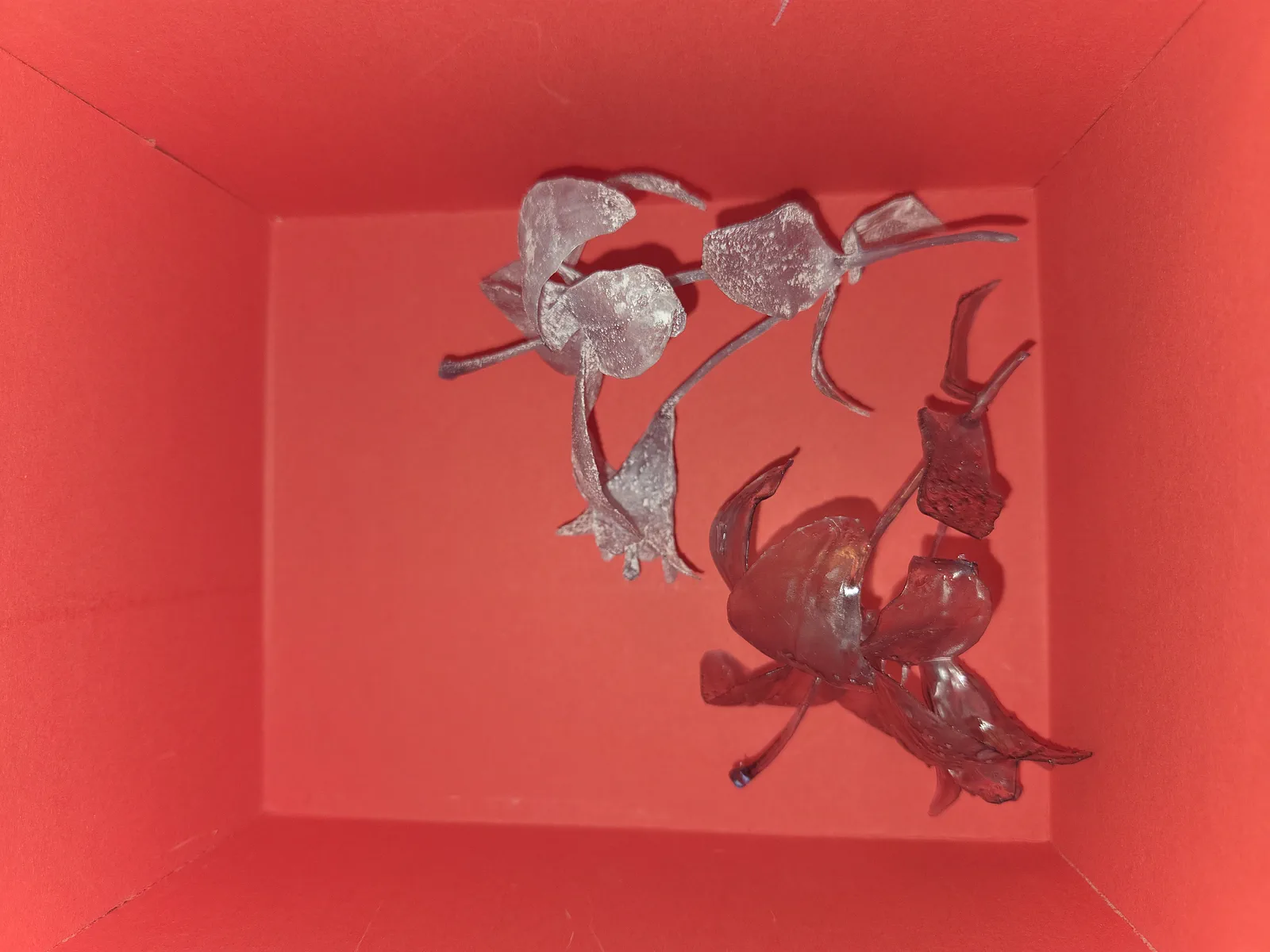
A decorative flower printed in clear resin, an exploration of fine detail, translucency, and organic geometry that pushes our additive manufacturing beyond instrument work.
Not every project is an instrument. This piece was an exercise in printing delicate, organic forms: thin petals, curved stems, and translucent surfaces that are difficult to reproduce cleanly with additive manufacturing.
Working in clear resin let us study how light passes through printed geometry and how fine features hold up at small scale, lessons that carry directly back into our precision instrument and component work.
3D Printed Oboe Reed Shaper
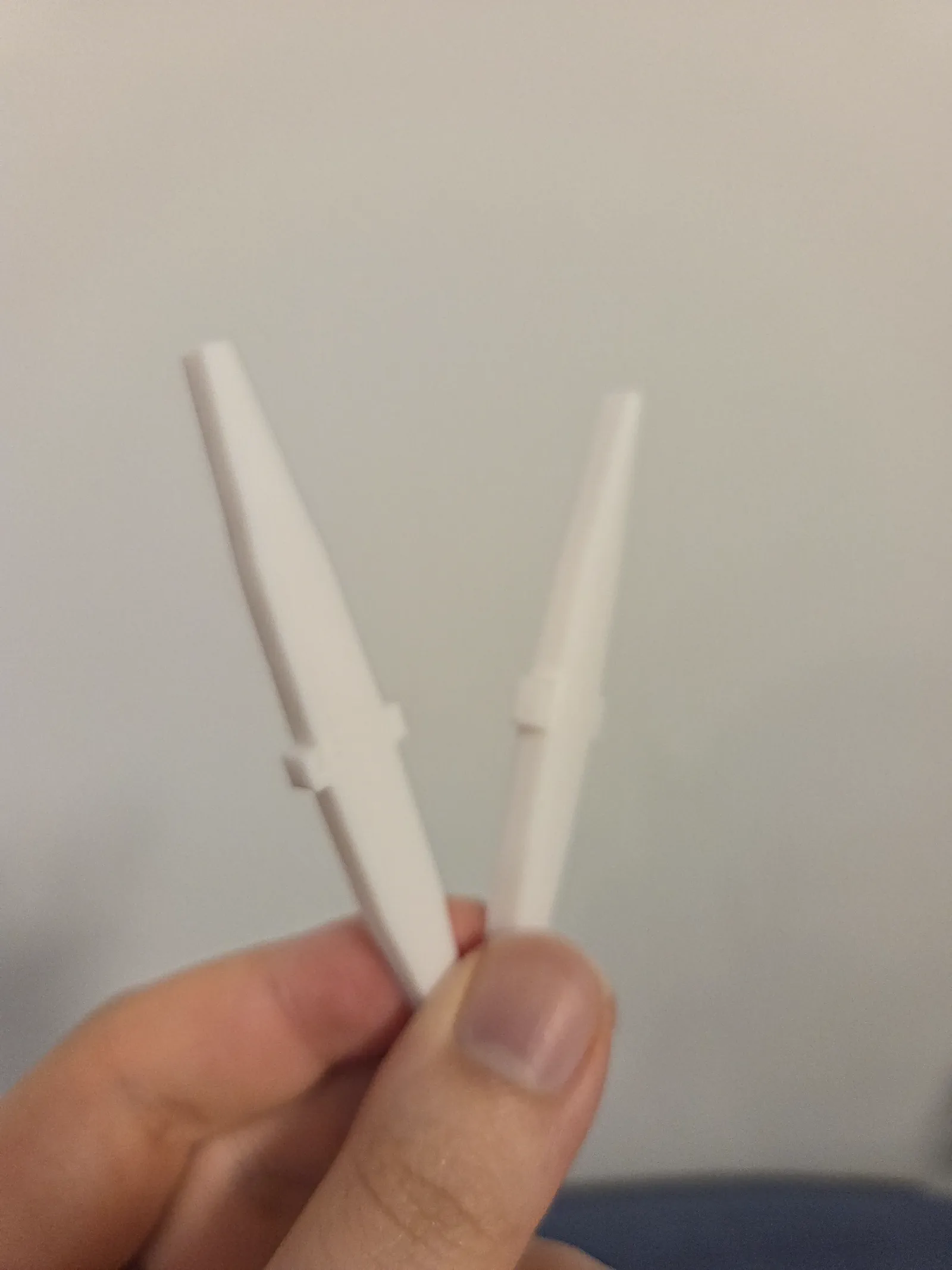
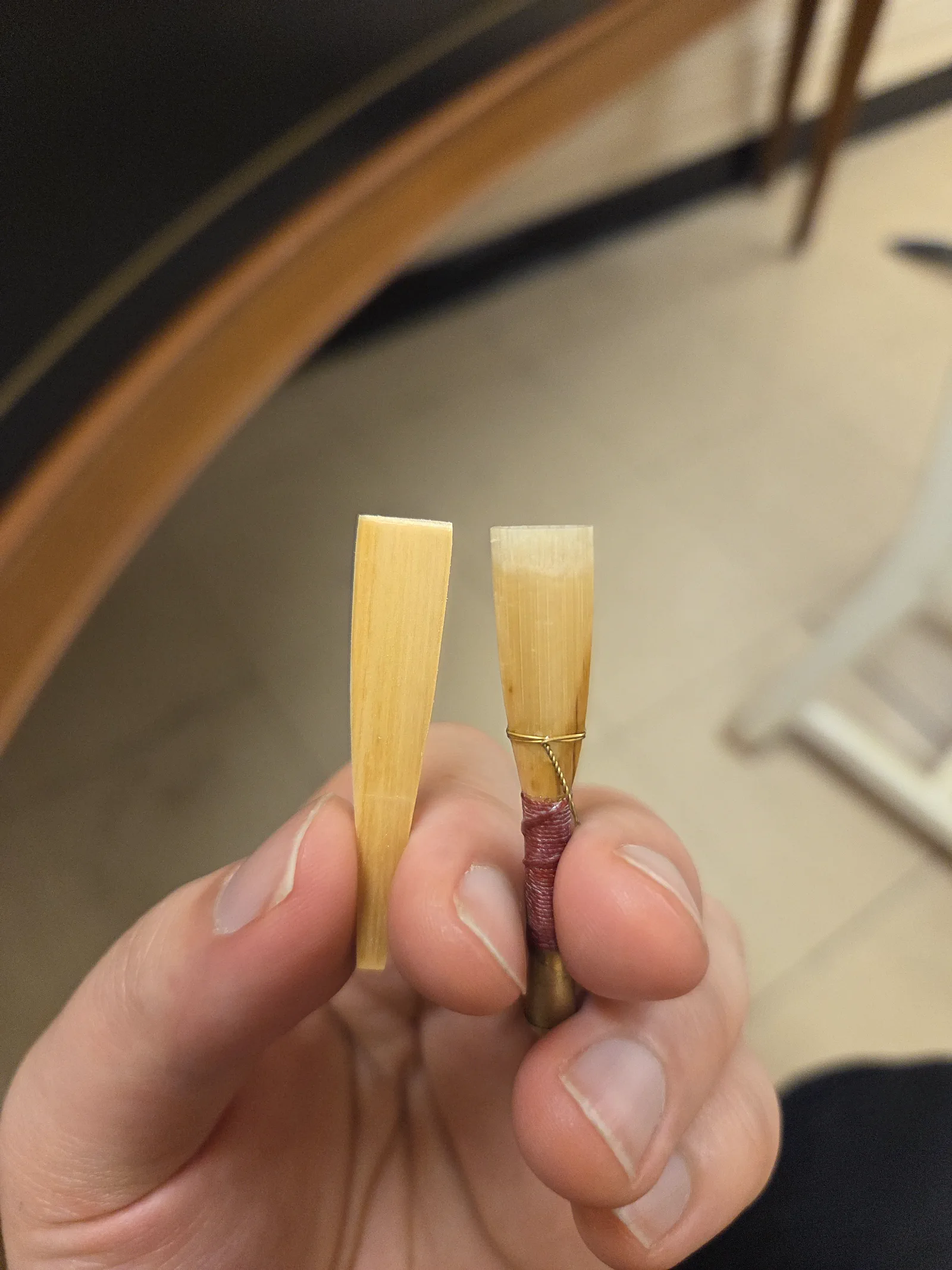
A custom 3D-printed shaper that forms oboe reed cane to a precise profile, bringing a traditionally expensive, hard-to-source tool within reach through additive manufacturing.
Oboists shape their own reeds, and the shaper that defines a reed's profile is a precise (and often costly) piece of tooling.
IREM designed and 3D-printed a shaper that sets the reed blank's profile, making it possible to experiment with reed geometry and study how small changes affect response and tone.
It's a small tool with an outsized impact: faster iteration, lower cost, and a direct bridge between fabrication and playing.
String Instrument Modelling
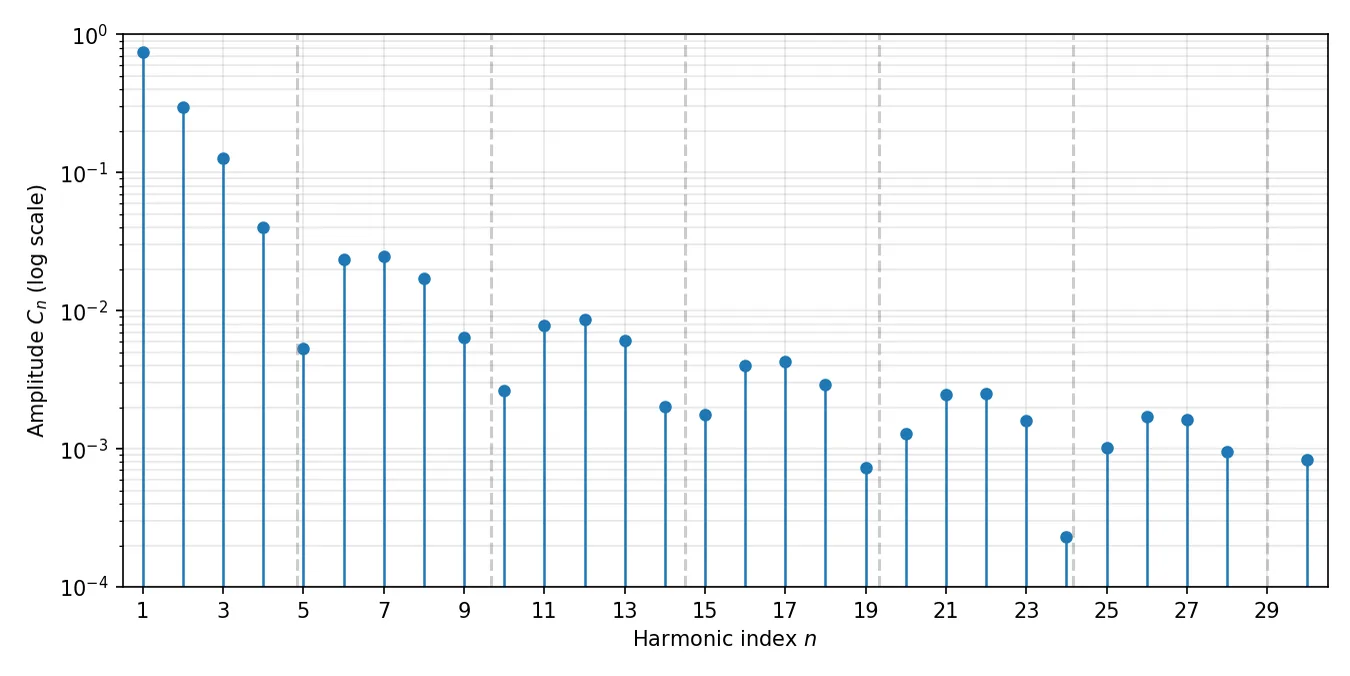
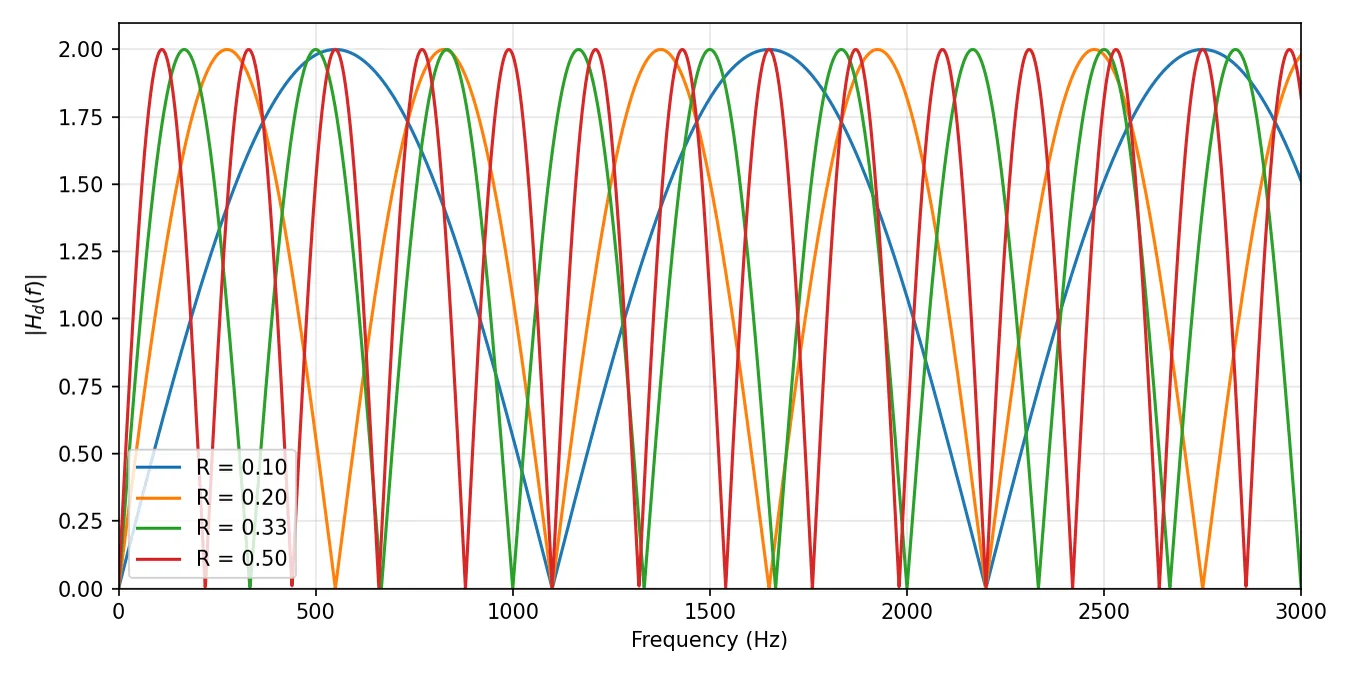
Modelling how playing technique shapes the timbre of a plucked-string instrument, and recovering those parameters straight from a recording. The point where a string is excited imprints a comb-filter pattern on the harmonic spectrum, which can be analyzed to estimate the playing position.
When a string is plucked, the excitation point suppresses specific harmonics in a regular, comb-like pattern, a fingerprint of where and how the note was played.
We studied the signal-processing model behind this effect and an estimation method that recovers the excitation position from a single recorded tone, using spectral correlation followed by iterative refinement of a comb-filter delay.
The work links physical string acoustics to practical audio analysis, foundations that feed directly into our instrument design and DSP tools.
Tuning System Estimator
Software that listens to a solo wind-instrument recording and estimates its tuning system, including the reference pitch (such as A4) it was played at, by combining fundamental- frequency tracking with MFCC and Constant-Q Transform analysis.
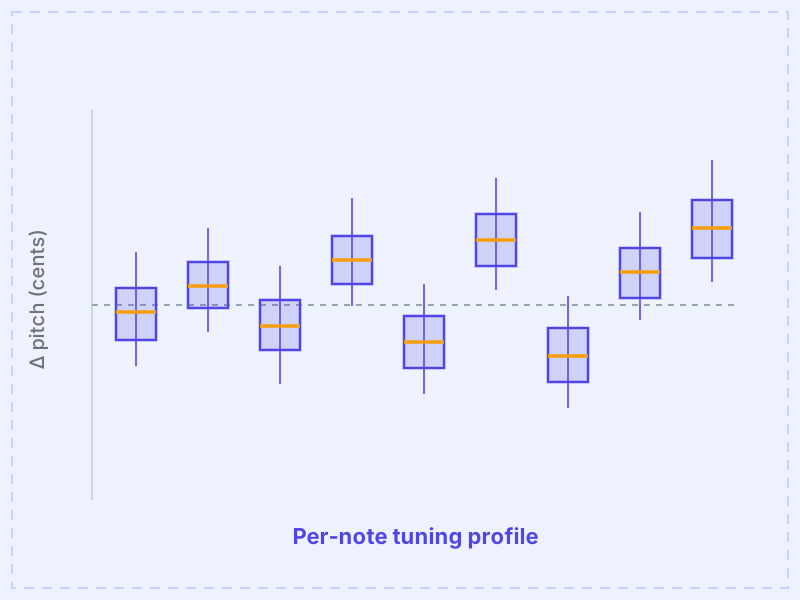
Wind instruments, especially historical ones, are not built to modern equal temperament, and recordings are made at a range of reference pitches. The way each note deviates from a tuning grid encodes the instrument and its tuning context.
The tool extracts a per-pitch deviation profile from a monophonic recording and ranks candidate reference pitches using three independent methods: frequency-tracking density, robust per-note medians, and Constant-Q energy alignment.
Implemented in Python and Rust, it identified the correct reference pitch within a semitone on the large majority of test recordings, a step toward characterizing instruments and historical tuning from sound alone.
Performer Motion & Gaze Tracking
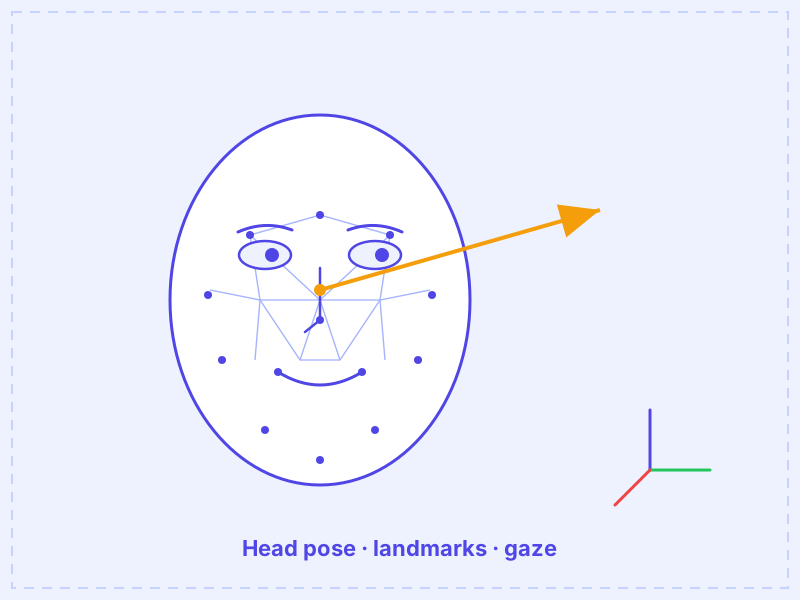
A real-time system that tracks a performer's head pose, facial landmarks, and gaze direction from ordinary video, a tool for studying how musicians move, look, and cue while they play.
Musicians communicate and coordinate through subtle physical cues (head movement, gaze, and posture) that are rarely measured directly.
Built on open-source computer-vision tools, this system captures head orientation, facial landmarks, and gaze in real time and logs them for analysis, with no specialized motion-capture hardware.
It opens the door to studying performer movement and gesture, for ensemble interaction, pedagogy, and expressive performance research.
Have a technical challenge?
Our team is ready to discuss custom engineering and research projects.
Contact Us